
Albert Heijn X LUMEN: from loyalty campaign to brand experience.
42 videos. 41 stop-motion. One campaign that made participation feel like play.
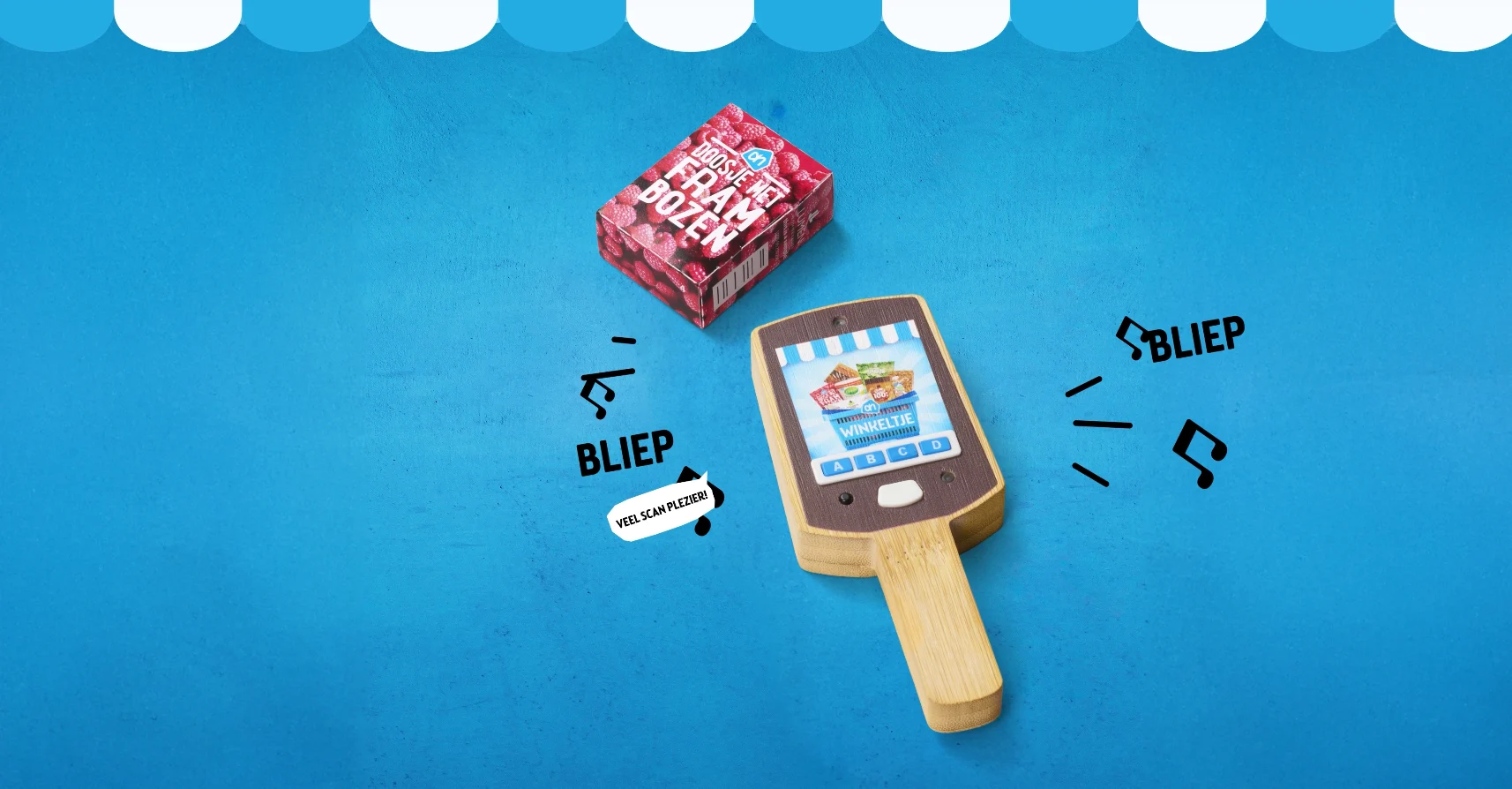

Project overview
When functionality is the creative brief
Most campaign content is made to be noticed. These 42 videos were made to be used.
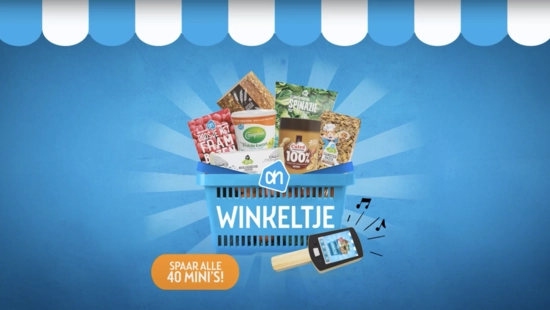
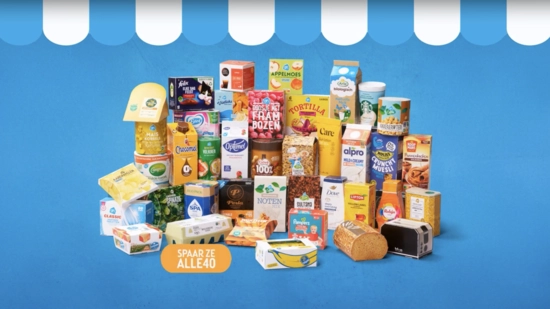
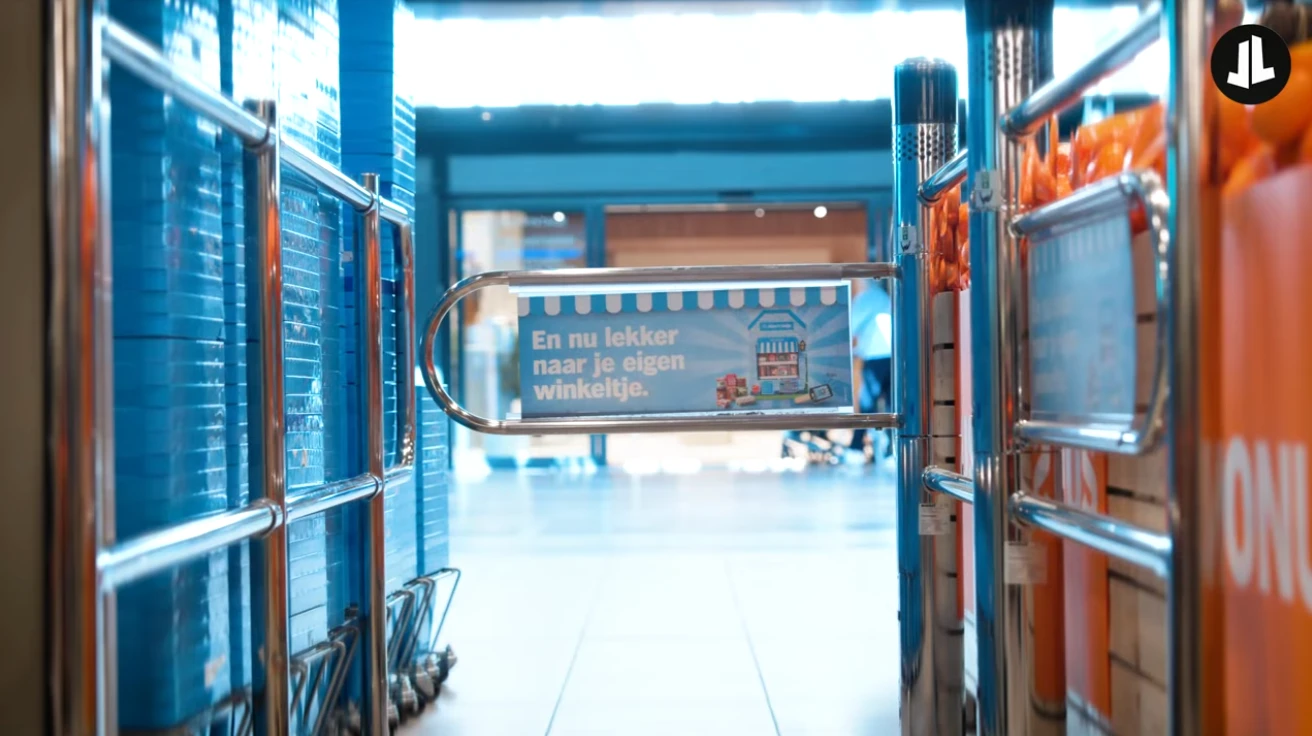
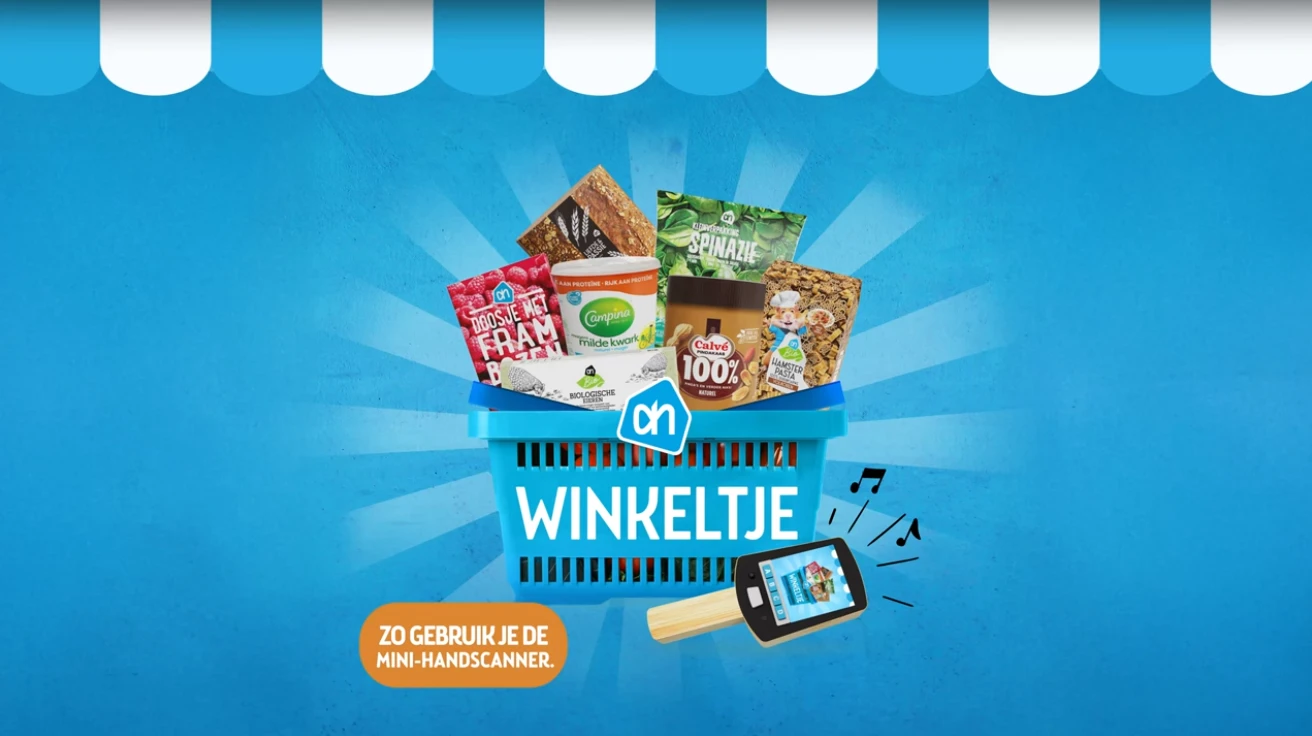
Albert Heijn launched 'Start Your Own Shop' — a loyalty campaign built around miniature stores and products that customers could collect, build, and play with. Through LUMEN, they brought DOT in not to make a campaign film, but to solve a participation problem: how do you explain a complex, multi-step loyalty mechanic to millions of customers in a way that's clear, warm, and completely on-brand? The answer was a series of instructional videos that treated the brief as a creative opportunity rather than a functional obligation.

The challenge
Loyalty programmes succeed or fail at the point of participation. The gap between 'this looks interesting' and 'I know how to join' is where most programmes lose the people they're trying to engage. Instructional content is typically the least-invested part of a campaign, an afterthought produced by whoever has capacity, in whatever format is fastest.
Albert Heijn's 'Start Your Own Shop' was not a simple mechanic. There were multiple product types, different collection paths, and a play component that needed to be shown rather than described. The videos had to be genuinely instructional, while also being joyful, brand-consistent, and worthy of appearing next to the main campaign assets.


Results

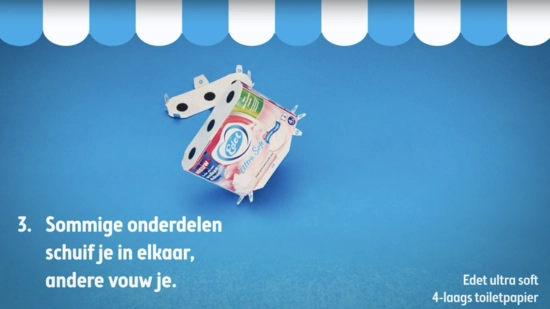
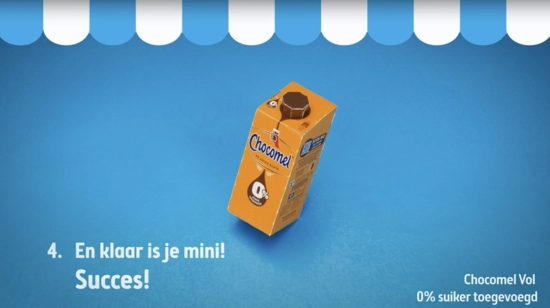
DOT and LUMEN made a format decision early: stop-motion. Not because it was easy, it was the opposite, but because the miniature products at the heart of the campaign were perfectly suited to a technique that brings small objects to life. The format made the content feel playful and handmade.
41 stop-motion videos and 1 animation later, the result was a content suite that served both the campaign's practical needs, clear, step-by-step instruction, and its emotional ambition: making participation feel like the beginning of something fun, not the completion of a form.
What it was built to do
Instructional content succeeds when it reduces friction to zero. When a customer watches a video and immediately knows what to do next, without confusion, without backtracking, without calling customer service, the content has done its job. For a campaign running across millions of households, that clarity compounds.
The videos are live across the full campaign period on the Albert Heijn website and in-store digital channels. They were designed not to be noticed, but to make the campaign work. That's a harder brief than it sounds.
.webp)
.webp)