
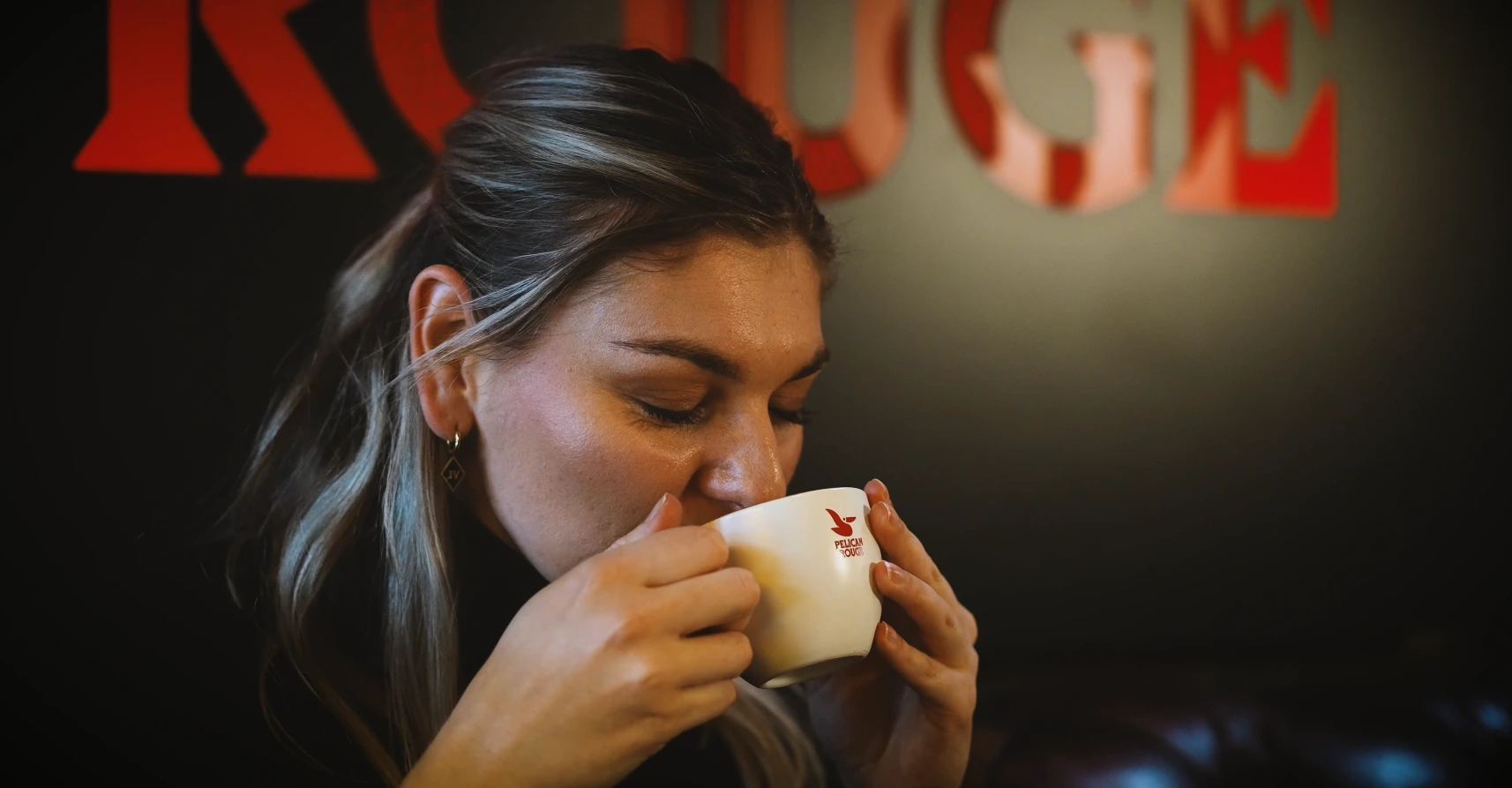
Pelican Rouge: a cinematic brand movie that captures the essence of the brand.
A brandmovie that showcases the craftsmanship, sustainability and authentic feeling of the brand.

Project overview
The weight of a rebrand
Rebranding a heritage brand is one of the hardest creative briefs there is. The new direction has to feel genuinely new, or the investment means nothing. But it has to feel continuous, or the brand history that gives it credibility gets discarded along with the old logo.

Pelican Rouge faced both challenges simultaneously when they rolled out a full rebrand in late 2022. A new, certified sustainable coffee line of 20 new blends. And a brand film that had to launch both, to customers who knew and trusted the old brand, and to a new audience for whom sustainability was the entry point. They brought DOT in to write the concept and execute the production.
Three things the film had to do at once
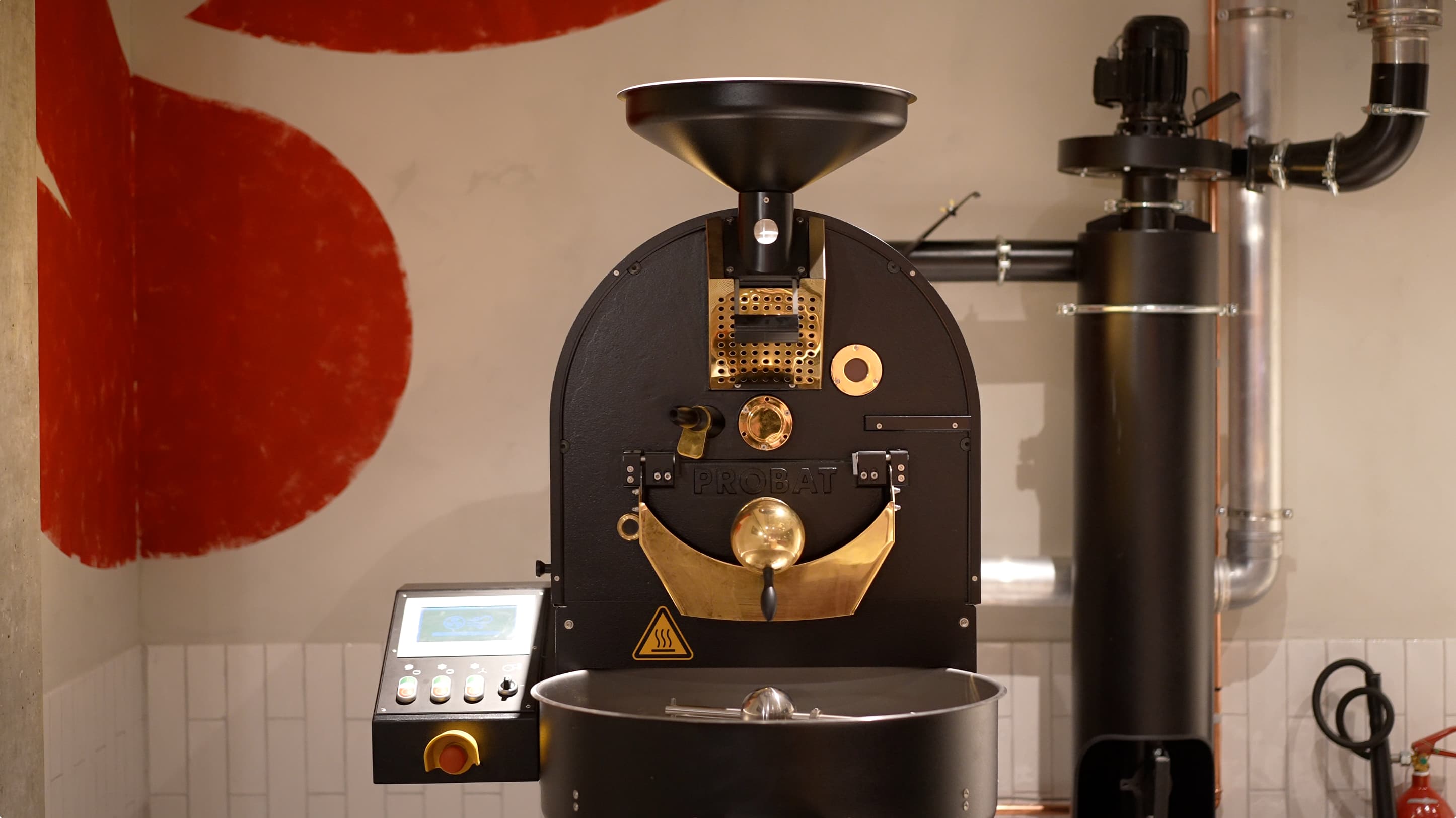
The brief had three jobs running in parallel. First: communicate the rebrand with enough visual confidence to signal that this is a genuine shift, not a cosmetic update. Second: show the craftsmanship behind the coffee in a way that justifies the 20-blend sustainable line as a product of genuine expertise, not marketing positioning. Third: do both of these things in a single film that feels emotionally coherent rather than structurally complicated.

Results
Heritage, quality, and responsibility; shown, not claimed
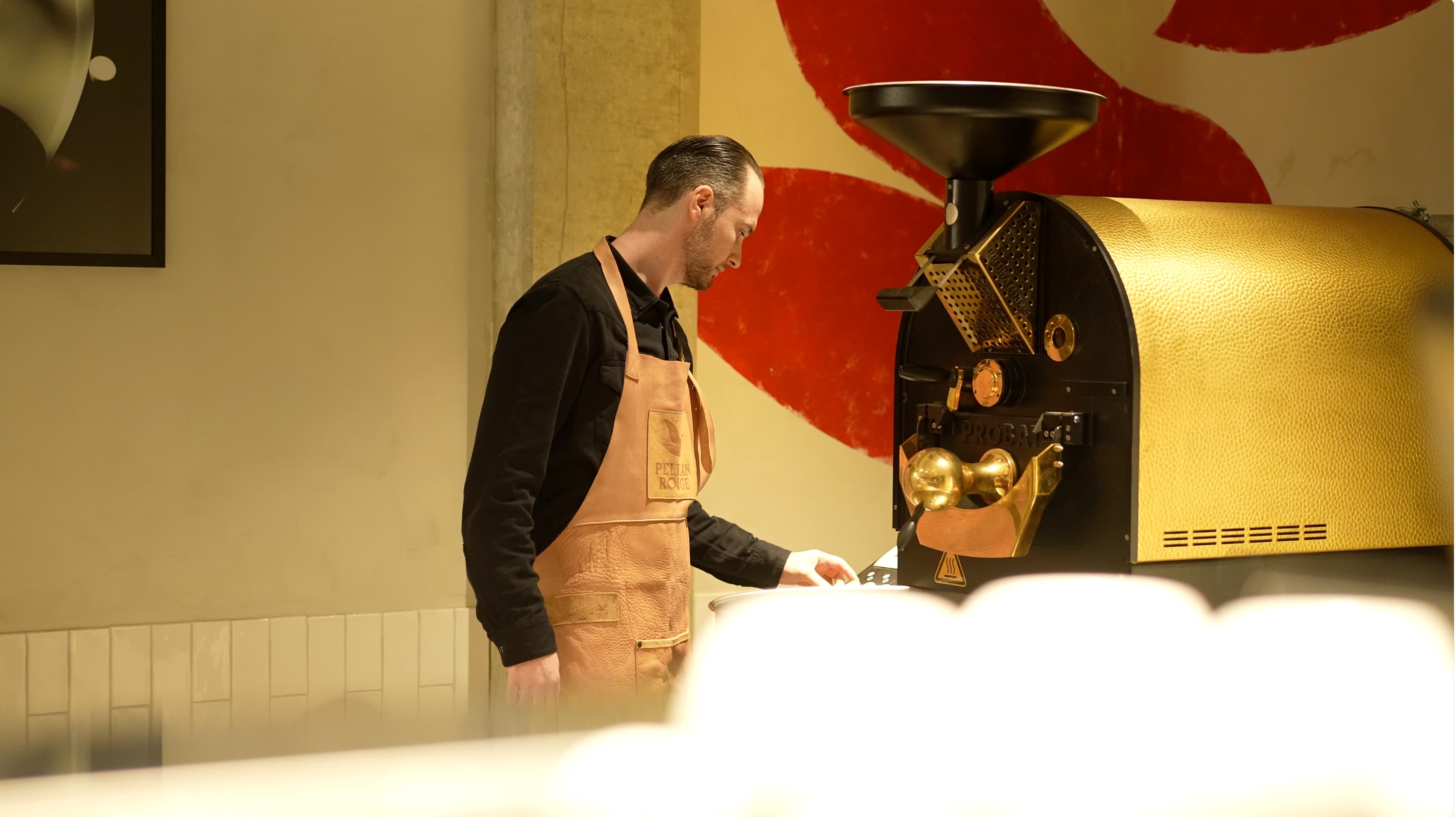
DOT's concept centred on a fundamental creative decision: the film would not explain Pelican Rouge's values. It would demonstrate them. The craftsmanship of the coffee, the selection, the roasting, the precision of the process, would speak for itself. The sustainability commitment would be visible in the people and places behind the beans, not stated in a voiceover.
The tone was cinematic without being cold. Pelican Rouge is a brand with warmth at its core: the authentic feeling of a good cup of coffee, the heritage of a brand that has been doing this for decades. The visual treatment balanced richness and intimacy: close-up detail work that showed the quality of the product alongside the human reality of the people who make it.

What it was built to do
A rebrand brand film has one job that no other piece of marketing communication can do: make the shift feel real. Not announced, not explained, but felt. The audiences who need to believe it are the ones who already know the brand, and the ones who are encountering it for the first time through the new positioning. The film has to work for both simultaneously.
For Pelican Rouge's existing audience, the film needed to show that the sustainability commitment and the new blend line are a deepening of what the brand has always stood for; not a departure from it. The visual language of the film; the origin, the process, the people, was designed to make the continuity tangible.
For new audiences drawn in by the sustainability credentials, the film needed to demonstrate rather than claim. In 2023, sustainability as a brand signal was already under scrutiny and the only content that earns trust in that environment is content that shows the reality: the sourcing relationships, the craft, the people whose work the certification reflects. The film was built to do exactly that.
.webp)
.webp)