
The Set Company: a brand movie on craftsmanship and future vision.
The Set Company X DOT: Making a film about the people who make others look extraordinary.

Project overview

The company behind the brands
The Set Company's clients include Cartier, Tommy Hilfiger, and some of the most design-driven retail brands in the world. Their work, the sets, the installations, the brand environments that make luxury retail feel like luxury retail, is everywhere. Their name is nowhere.
That's the nature of the business. A set builder succeeds when no one notices the set, only the brand. But there's a paradox in that invisibility: The Set Company needed to be visible to the next generation of clients, the next generation of talent, and the global partners who would one day trust them with their most important brand moments.
They asked DOT to make a film that would change that.
The challenge
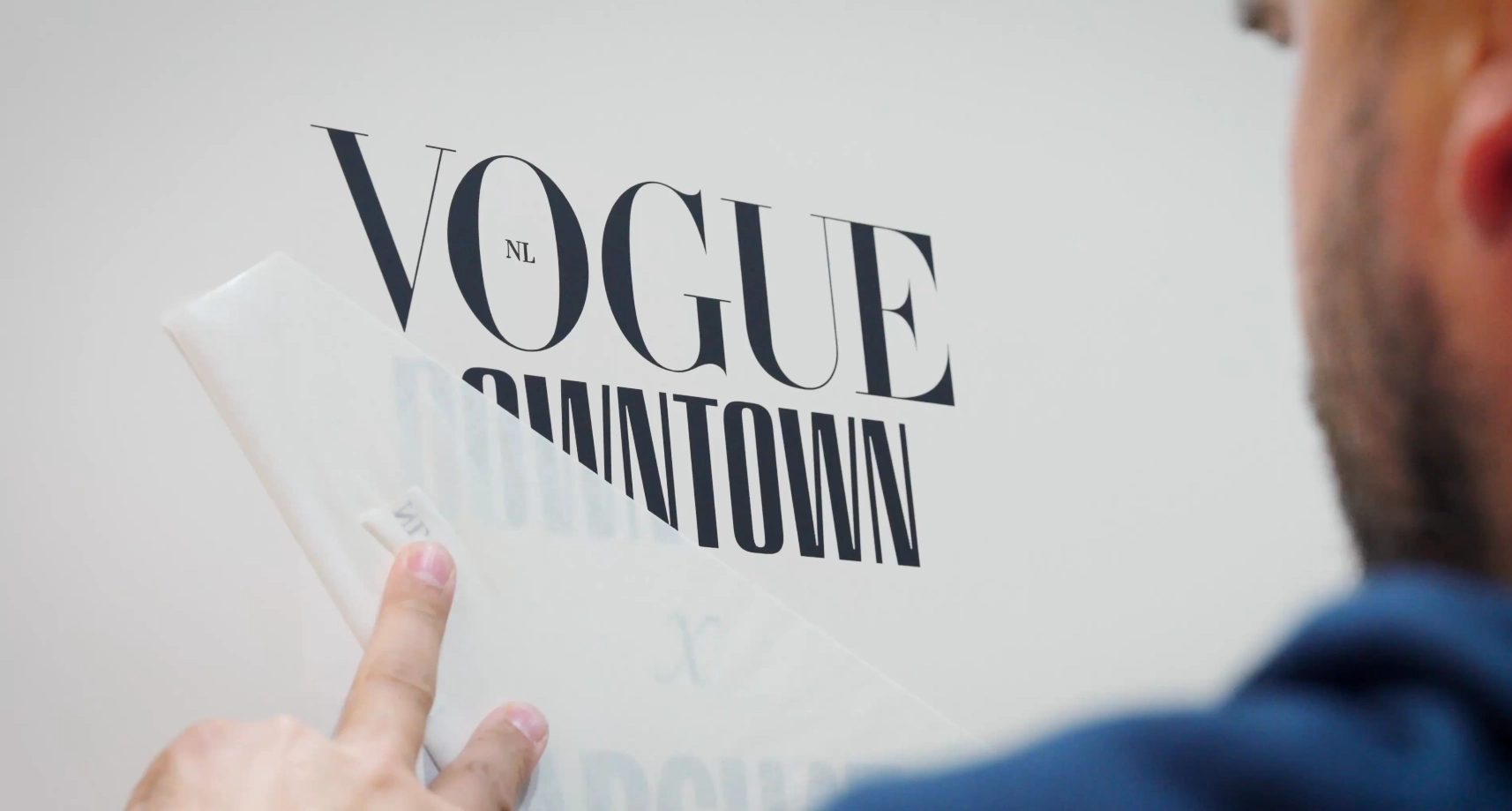
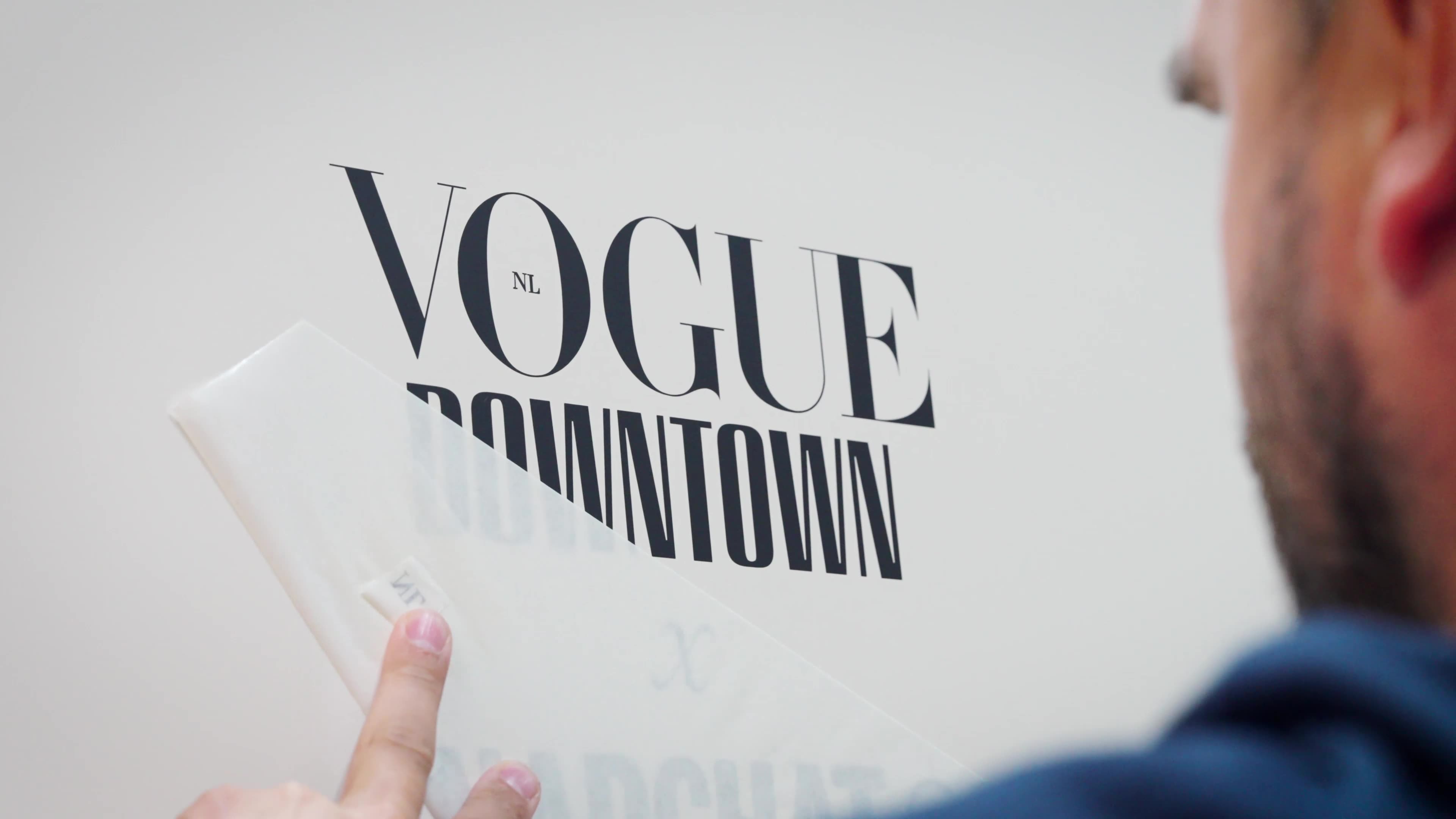
Making a brand film for a company that makes things for other brands is a specific creative problem. The instinct is to show the work: the sets, the environments, the craftsmanship. But showing the work means showing other brands' work. The identity of the company gets lost behind the identity of the clients.
The brief had a second dimension: The Set Company was at a genuine inflection point; a company with deep craft heritage moving toward a broader vision of what brand environments could become. The film had to hold both. Not just 'this is what we've built' but 'this is where we're going, and we're taking you with us.'






Results

Documentary-style, from concept to execution
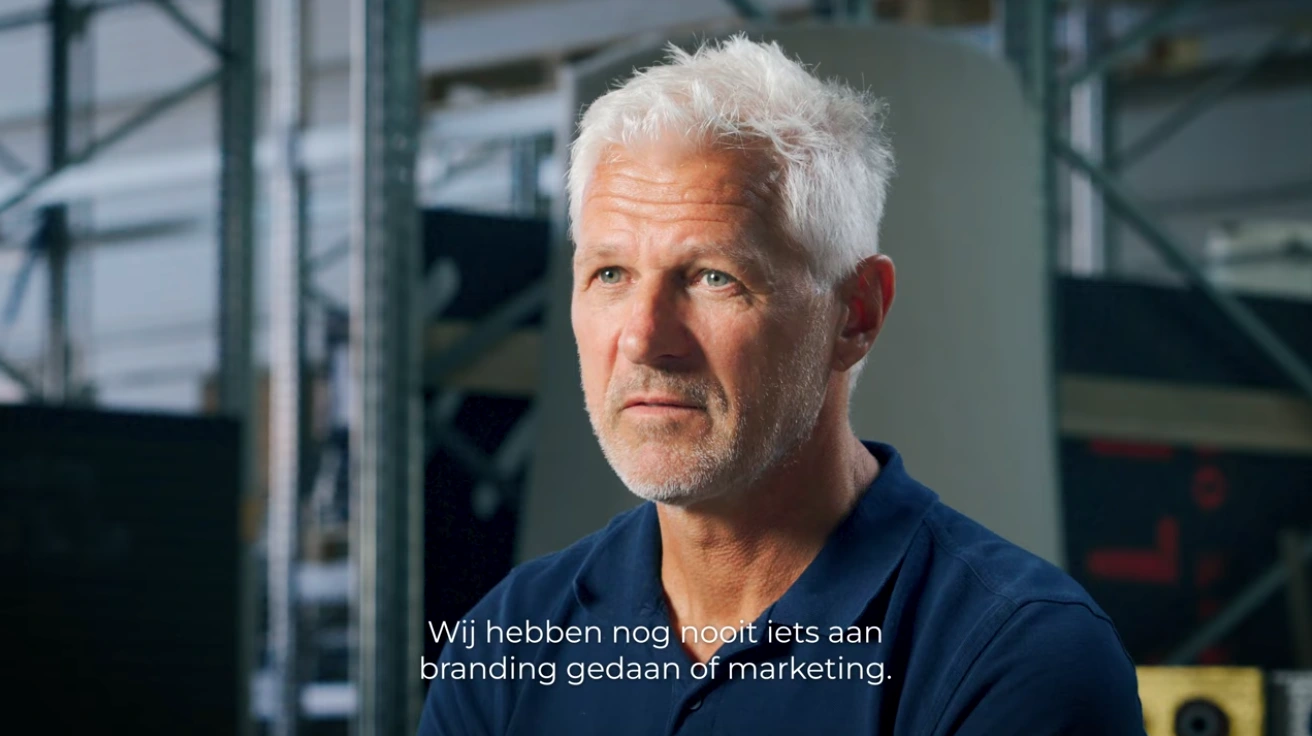
DOT took ownership from concept to screen. The creative approach was documentary-style: not a showreel of finished environments, but a portrait of the people who build them. The pride of the makers. The precision of the process.
The narrative framework was built around three pillars: values, craftsmanship, and future ambition. Each section of the film moves between the intimate; hands at work, decisions being made, and the expansive: what it means to shape the spaces where the world's most important brands present themselves.
A company that creates premium environments for premium brands cannot present itself on screen in a way that falls short of the quality standard it builds for others.
What the film does
The film works on two audiences simultaneously. For external partners: for the marketing directors at Cartier and Tommy Hilfiger, and for the next client who hasn't heard of The Set Company yet, it communicates a level of creative seriousness and craft ambition that positions the company as a visionary partner, not just a supplier.

For the internal audience: the people who build these environments every day, it does something equally important: it makes visible the pride that was always there. A team that builds for others rarely gets to see their own story told with the quality it deserves. This film does that.
The result is not just a film. It is an expression of identity and an invitation to be part of shaping what comes next.
.webp)
.webp)