Navigating the feed: why partnering with a short-form video agency is key for global 9:16 campaigns
Social media feeds are no longer secondary distribution channels for corporate marketing. They are the primary arena where brand market share is won or lost. TikTok, Instagram Reels, YouTube Shorts and LinkedIn Video have reshaped consumer attention around a single dominant asset profile: vertical, short-form video.
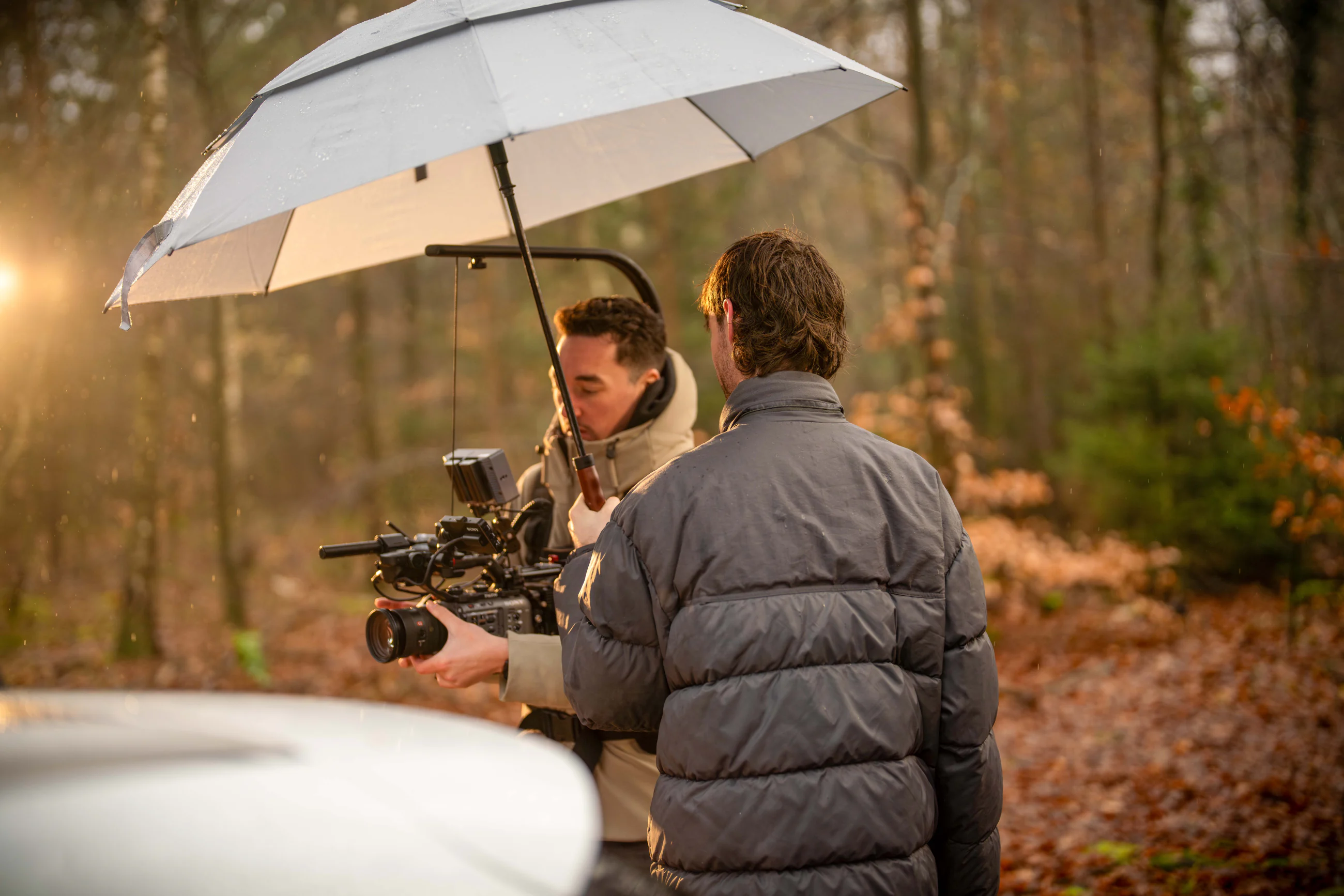
Yet many enterprise brands still manage mobile campaigns through a legacy lens. They capture horizontal widescreen assets on massive production sets, then hand them to an editor to crop into a vertical box.
That approach fails to convert because it ignores user psychology. True mobile-first engagement requires content native to the platform's behaviour. To scale a global footprint across competitive digital spaces, partnering with a dedicated short-form video agency in Amsterdam ensures your brand builds content that fits the native layout of the feed instead of feeling like an ad.
The 9:16 architecture: native versus cropped
Vertical video is structurally unique. In a traditional widescreen commercial, directors use background space, lateral tracking movements and deep environmental staging to build context. When you pivot the frame to 9:16, that horizontal context vanishes. Your canvas becomes narrow, intimate and intensely focused on a central human figure or a singular kinetic object.
Executing premium vertical video production means composing every shot with this mobile architecture in mind from day one. It means understanding the safe zones where platform interfaces (like buttons, comments and captions) overlay the video, so critical text or brand logos are never obscured. If an agency isn't composing specifically for the vertical screen on set, they are compromising your visual authority before your content even hits the ad manager.
What a specialised agency brings to native social content
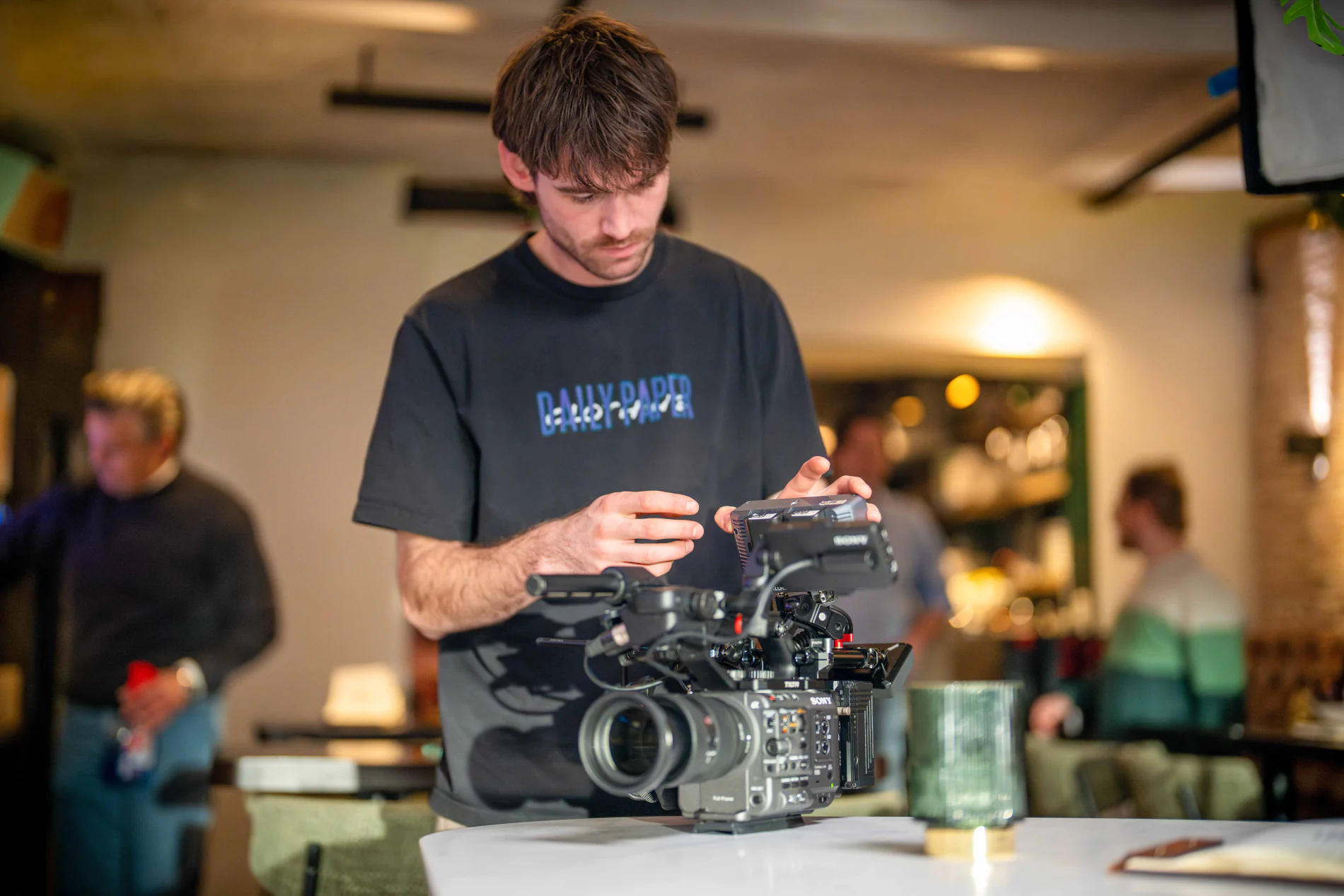
Many marketing departments assume short-form content can be handled in-house or by a legacy commercial house. In reality, short-form video production operates under an entirely different set of rules.
1. Hook engineering and pattern interrupts
On a social feed, you are not competing with other brands. You are competing with a user's friend, a viral meme or a breaking news story. The first two seconds dictate your entire return on ad spend.
A specialised agency applies strict hook engineering to the first frames: unexpected visual transitions, fast-paced text formatting, or opening mid-conversation, all designed to disrupt the user's scrolling muscle memory.
2. Pacing for low cognitive load
Social media users consume content at an accelerated velocity. A legacy video house often struggles to cut down a narrative, leaving too much dead space in the first ten seconds. A native short-form team edits with high kinetic density: every frame, text pop-up, sound effect and jump cut is synchronised to keep the viewer engaged without overloading them, maximising completion rates.
3. Systematic asset multiplication
A standard video production lifecycle yields one or two master files. A native social agency treats a single production day as a content engine. By planning modular hooks, alternative body points and multiple call-to-action variations during pre-production, they output an entire matrix of platform-ready assets from one shoot.
Moving beyond going viral
The ultimate trap of digital video marketing is chasing vanity metrics. High view counts mean nothing if the traffic doesn't convert into brand equity, community growth or pipeline velocity.
By collaborating with an expert short-form partner, growth teams ensure their content balances platform trends with strict brand compliance. A sophisticated agency doesn't chase cheap clickbait or ephemeral trends to manufacture temporary engagement. It engineers sustainable content frameworks that pair platform-native pacing with your brand's core authority, treating short-form video as what it actually is: the most powerful top-of-funnel acquisition tool in the modern digital landscape.
Frequently asked questions
Can widescreen footage be cropped for social?
Widescreen footage can be cropped for social, but it rarely works. Widescreen composition uses lateral space and environmental staging that disappears when the frame is cut to 9:16. Cropping produces a technically vertical asset that reads as a compromised version of something made for another screen, which is exactly what social audiences scroll past.
What does a specialist short-form agency do differently?
Three things: hook engineering that earns the first two seconds, pacing designed for low cognitive load on a feed, and systematic asset multiplication so that one production day yields many platform-ready variants rather than a single hero film and a handful of offcuts.
Who are you actually competing with on a social feed?
Not other brands. A social feed places branded content directly against a user's friends, viral posts and breaking news. That is a far higher attention bar than a broadcast slot, and it is why the first two seconds determine most of the return on ad spend.
What does social and short-form video cost at DOT?
DOT prices social and short-form video between 2.500 and 5.500 euro per shoot day. Cost is driven by shoot days rather than by finished asset count, because a properly planned day produces many deliverables from the same lighting and camera setups.
Ready to dominate the feed with native, high-converting vertical content? Let's design a short-form engine tailored to your global goals.
Get in touchLast updated: