
Albert Heijn · Stop-motion series · 2025
Albert Heijn
Anyone can match a style once. Forty-two times is a different discipline.
- Client
- AH × LUMEN
- Type
- Animation
- Year
- 2025
The film
Seamless Loyalty in Action.
A series that drifts stops being a series
Forty-two films is not forty-two problems. It is one problem, repeated, and it is consistency.
The first film in a run like this is the easy one. Everything after it has to match a standard set months earlier, under different light, with a set that has been handled, rebuilt and moved in between. A series that drifts visually stops reading as one thing, and at that point the volume works against the brand rather than for it.
Fix the variables, not the look
Matching by eye does not survive forty-two attempts. So the standard was written down as measurements rather than as a mood: lighting setup, camera height, movement speed, and the acceptable state of every surface.
Once those are fixed, consistency stops depending on whoever is animating that week.
Stop-motion at volume
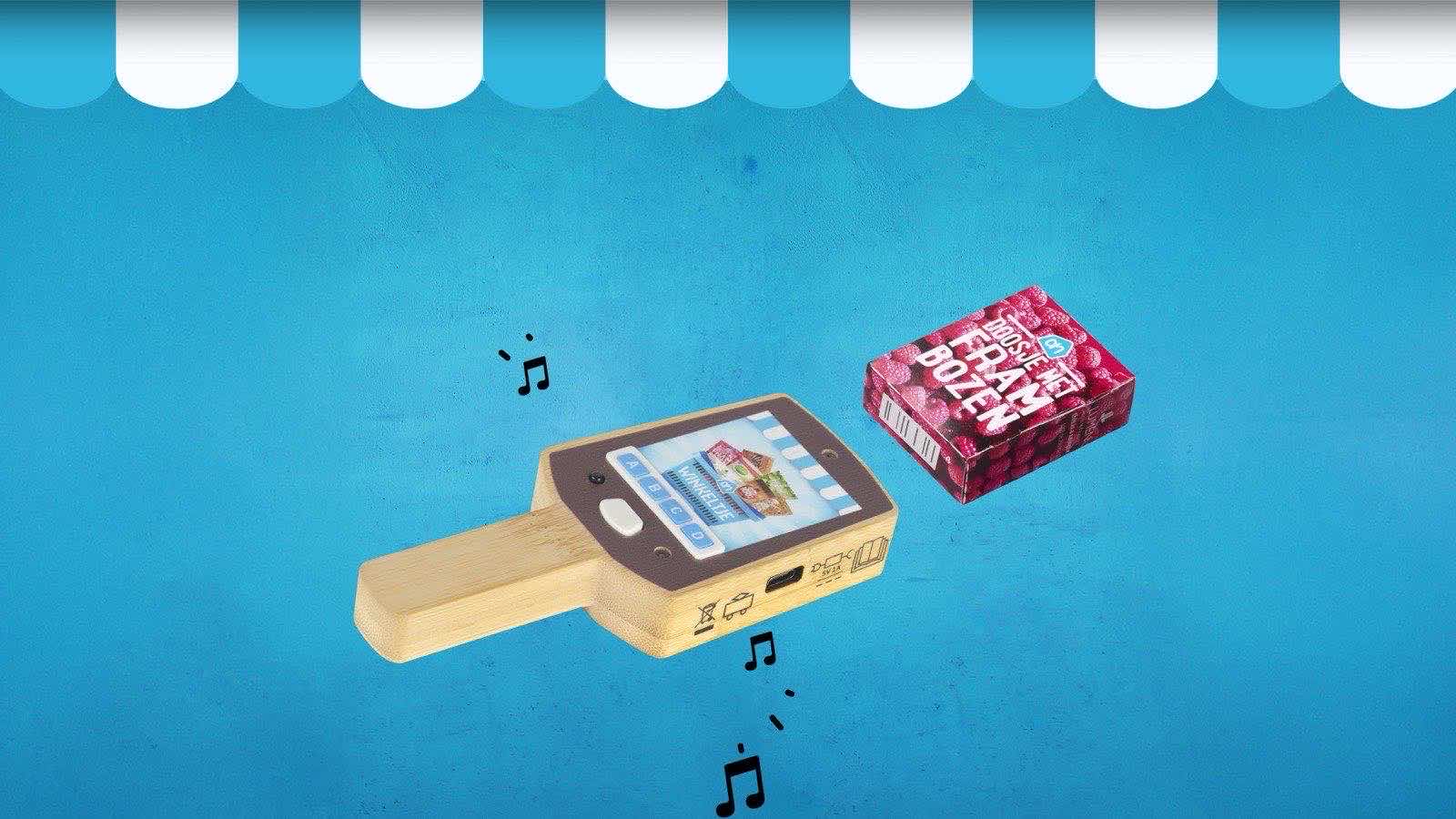
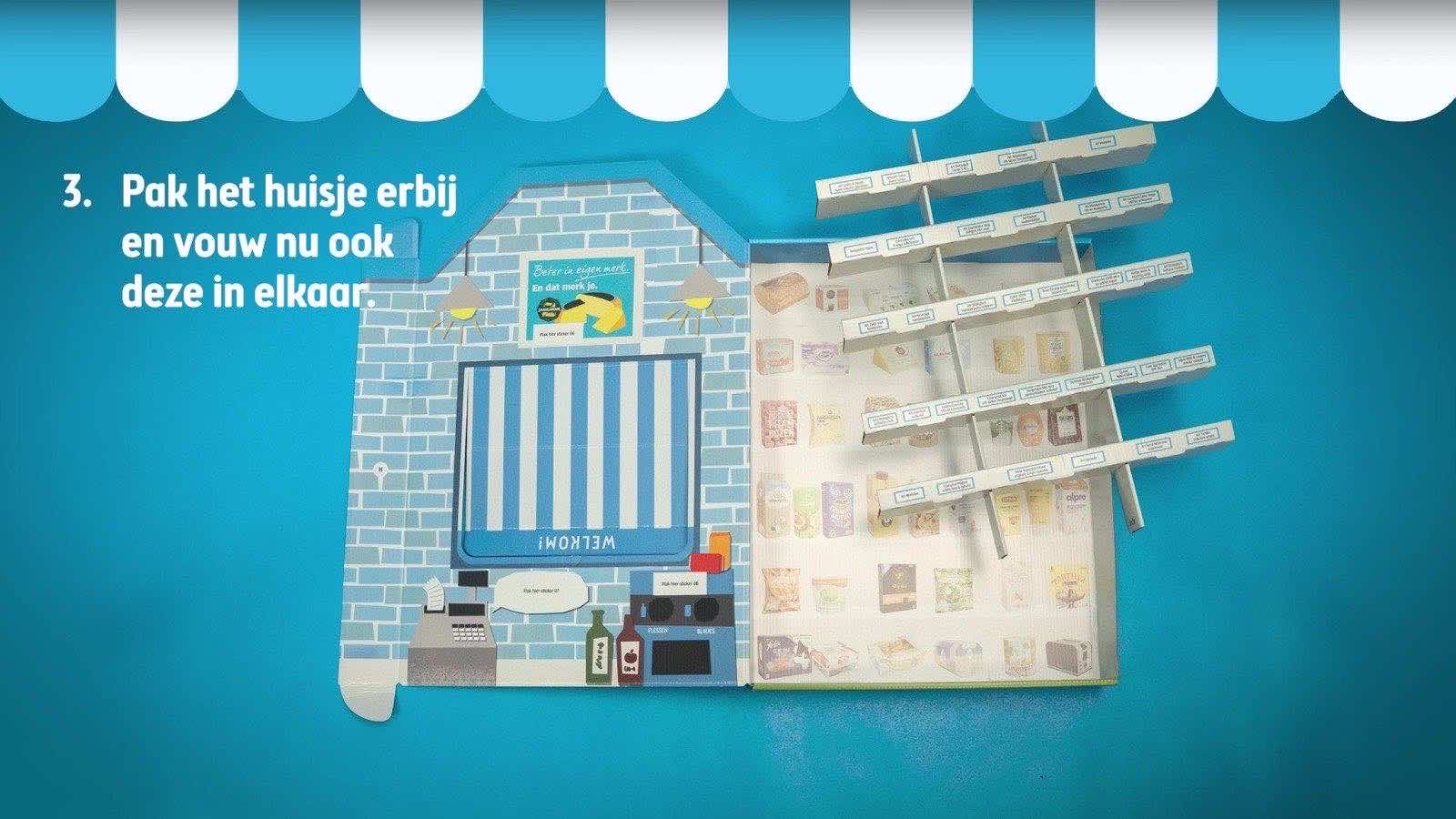
Forty-one of the forty-two films are stop-motion, which is the most labour-intensive way to make anything short. Every second is built frame by frame from a physical set of wooden and cardboard props: a toy scanner, a miniature punnet, a pop-up supermarket.
The decision to work physically rather than in 3D is what gives the series its texture, and it is also what makes consistency hard. A real set wears. Paint marks, edges soften, and a prop that has been handled for months is not the prop that was photographed in week one.
Surface wear is a continuity problem
The unglamorous part of a long stop-motion run is condition management. Props are tracked, replaced and re-dressed so that a frame shot in month six cuts against a frame shot in month one without a visible difference.
Movement speed matters as much as appearance. Stop-motion reads as a rhythm, and an animator working slightly faster or slower than the established cadence produces a film that is technically correct and obviously from a different batch.
From the shoot
Frequently asked questions
Who produced the Albert Heijn stop-motion series?
DOT Video Agency produced 42 films for Albert Heijn, 41 of them stop-motion, held to a single visual standard across months of capture.
Why produce the series in stop-motion rather than 3D?
Because a physical set has texture that 3D has to simulate. Wooden and cardboard props, a toy barcode scanner, a miniature punnet, a pop-up supermarket, all built by hand and shot frame by frame. The trade is labour, since stop-motion is the most work-intensive way to make anything short.
How do you keep a long animation series visually consistent?
By fixing the variables rather than matching by eye. Lighting setup, camera height, movement speed and the acceptable condition of every surface are written down as measurements, so a frame shot in month six cuts against a frame shot in month one. A real set wears, and that wear is a continuity problem.
Working out what something like this costs? Our price bands are published for every service.

Tijmen van Grieken, co-owner, DOT
Last updated: