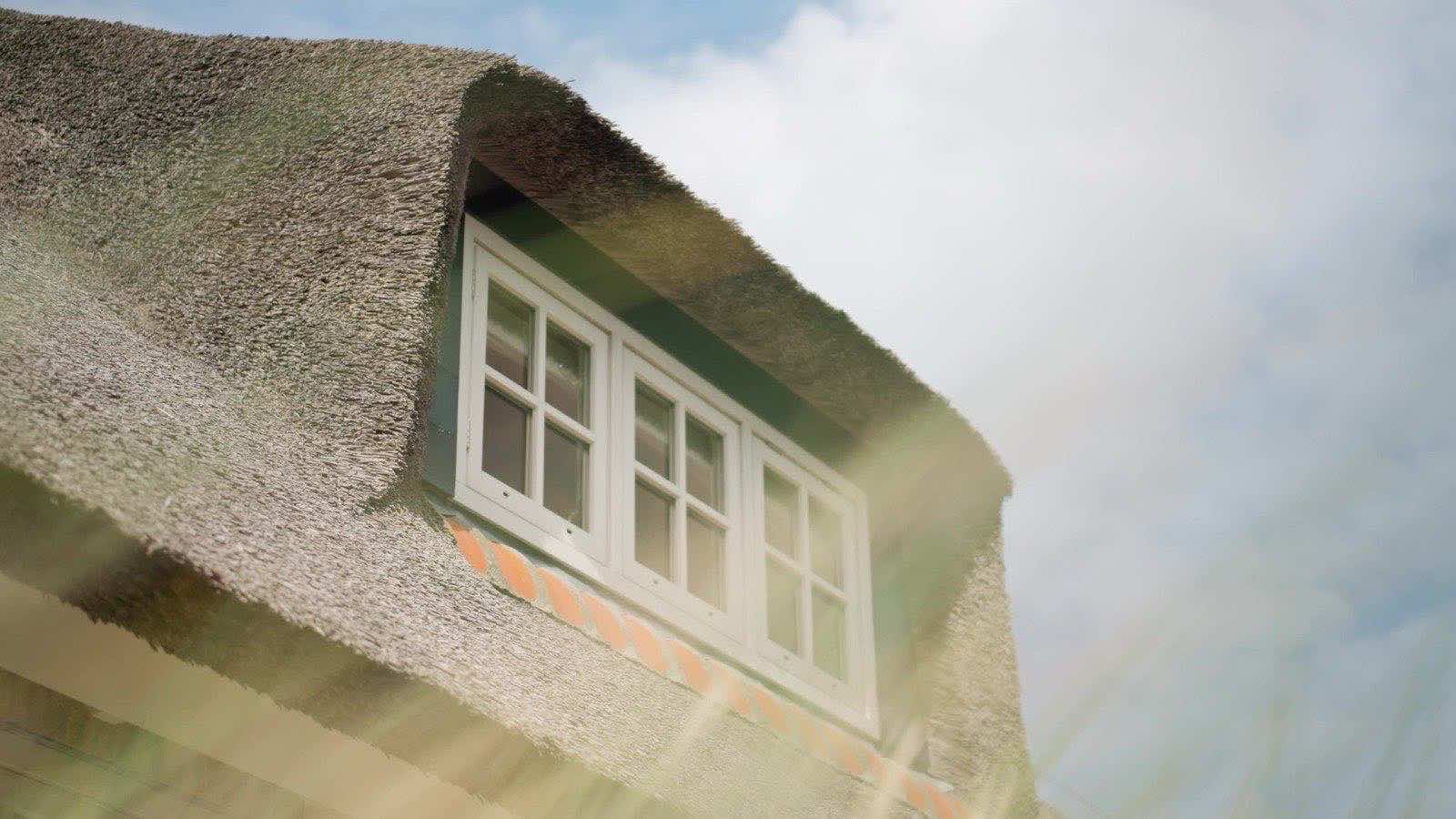
Burbach Roycroft · Ongoing partnership · 2024–ongoing
Burbach Roycroft
Listings people cannot get around.
The film
Oosterhout. A second film follows the same standard in Italy.
The problem
Burbach Roycroft is an owner-led real estate agency whose objective was set by a single word: exposure. Property listings all arrive in the same places, in the same formats, at the same size, and a buyer scrolling through twenty of them is not reading: they are shortlisting. Being seen is not a nice-to-have in that context, it’s the main job of the content being put out.
A listing video and a property film are not the same thing
Most estate agency video is a walkthrough. It tells a buyer where the rooms are, in order, at a steady pace. That is a navigation tool, and a floor plan does it faster.
What makes someone stop is not information about the property. It is the sense of being in it, which is a different film, needs different material, and cannot be produced by walking through a house with a gimbal.
Burbach’s own phrasing for what they wanted is better than anything we would write: video content “to make sure our listings are presented in a way so people can’t get around them”. Not comprehensive, but unavoidable.
A standing arrangement, not a booking
The work has run continuously since 2023, which has helped us lock in a look and feel, as well as a process behind the entire production. Property comes to market on its own schedule, and an agency that has to brief, quote and schedule a crew for each listing will simply stop doing it by the third one.
A continuous arrangement removes that. A small team who already know the agency, the standard and the turnaround, so each property is a shoot rather than a project.
It also changes where ideas come from. Burbach’s word for it is that DOT “create new ideas with us”, which is a description of a working relationship rather than a supplier arrangement, and is only possible when the same people keep turning up.
A film of a designed house is judged against the house
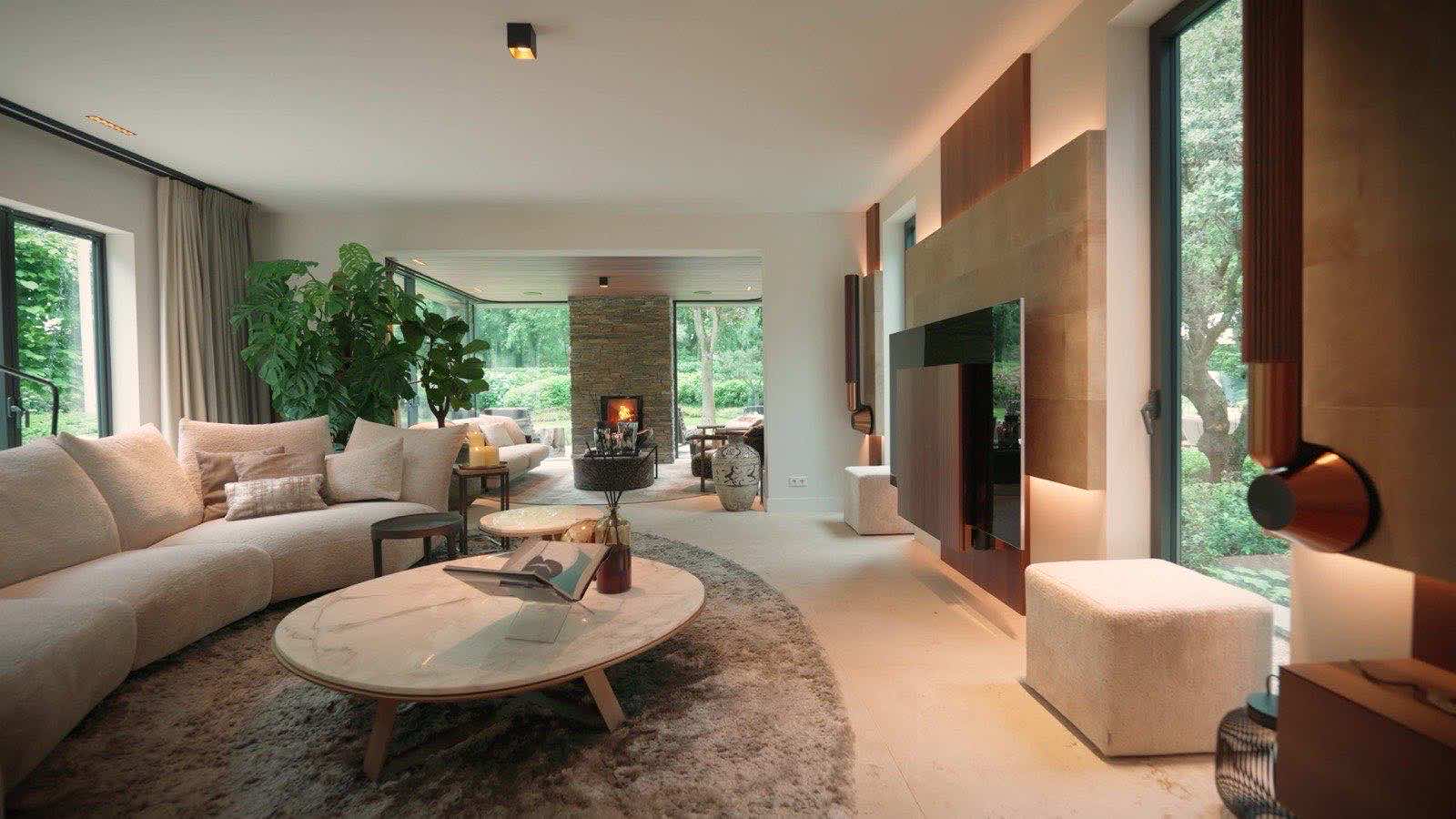
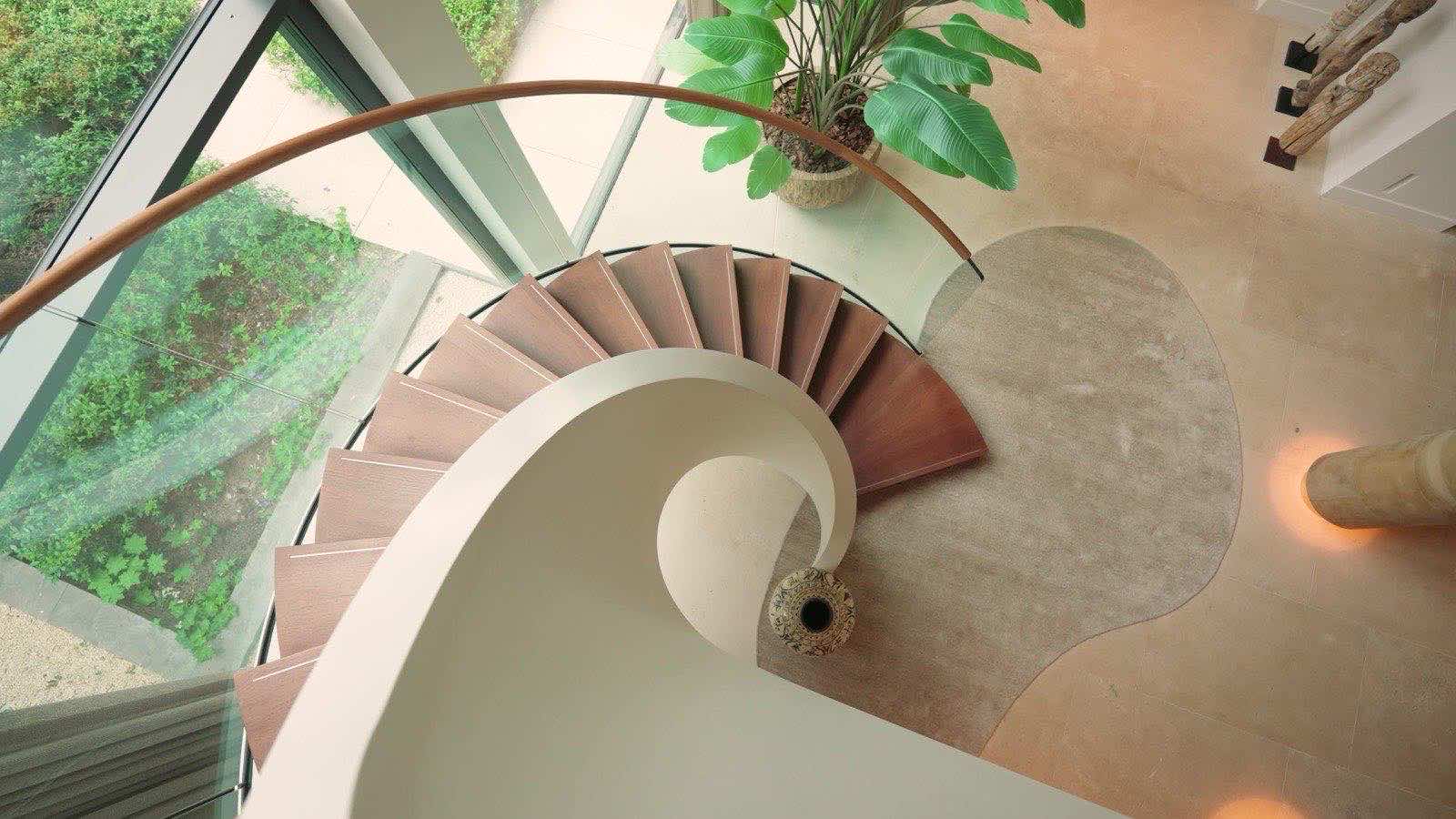
A designed house arrives with its decisions already made: proportion, light, material, the order in which rooms reveal themselves. Someone was deliberate about every one of them, and a film of that house is judged against that deliberation rather than against other property videos.
A film that is more ordinary than the house quietly argues against the house. There is no neutral: what ends up on screen either meets the level of intent in the building or falls short of it.
And what a buyer is actually doing is not auditing floor area. They are running a stranger, more personal test: can I see myself here? Standing in that kitchen on a Sunday. Coming down those stairs. Opening those doors in June.
That question is not answered with information. It is answered with atmosphere, light, proportion, pace: the feeling of moving through a space rather than being shown it. A floor plan gives you facts. A gallery gives you surfaces. Neither gives you the sense of a life, and the sense of a life is the thing that makes someone pick up the phone.
Burbach Roycroft put it better than we could: “A home represents more than just financial value; it’s a place where memories are made and cherished. That’s why emotional factors play a crucial role in both selling and buying a property.”
Twenty-five houses, and what that teaches you
Since 2023, DOT has filmed 25+ houses for Burbach Roycroft across the Netherlands. Every one of them different, every one treated as its own brief.
The first film for any client is the hardest, because every decision is made from scratch. By the fifth, a shared visual concept exists: we know what their audience responds to, they know what to tell us before we arrive, which room is the reason someone will buy the house, which approach flatters the building, and what the seller would rather we did not linger on.
That accumulated knowledge is the real case for a partnership over a series of one-off jobs. Not the rate, but the fact that by house twenty-five nobody is explaining the basics, and everything saved goes back into the work.
What the client said
“I’m impressed with their personal communication, and they create new ideas with us.”
Results
Burbach’s answer on outcomes: “Very positive feedback from the seller side as well as the buyers side.”
This is important to highlight, because a real estate agency has two audiences and they want opposite things. A seller is deciding which agency to list with, and judges the marketing before they have anything to judge the service on. A buyer is deciding whether to view. Content that works on one often fails the other, and polish that impresses a seller can seem as a sales pitch to a buyer.
The real estate films we’ve made over the course of the last few years have done their job, which was to highlight the feeling and design of each and every property, and because of that our arrangement is still running, two and a half years in. For an agency of one to ten people spending its own money, continuation is the result that matters most.
From the shoot
Frequently asked questions
Who produces Burbach Roycroft's property films?
DOT Video Agency has filmed property for the estate agency Burbach Roycroft since 2023, across more than 25 houses in the Netherlands.
What is the difference between a listing video and a property film?
A listing video reports facts a floor plan already carries. A property film gives the sense of a life in the house, through atmosphere, light, proportion and pace, and that is what makes someone pick up the phone.
What does an ongoing arrangement like this cost?
B2B video from DOT runs €2.500 to €20.000 and above per production. Our price bands are published for every service. A standing arrangement is quoted per property rather than as a single figure.

Tijmen van Grieken, co-owner, DOT
Last updated: