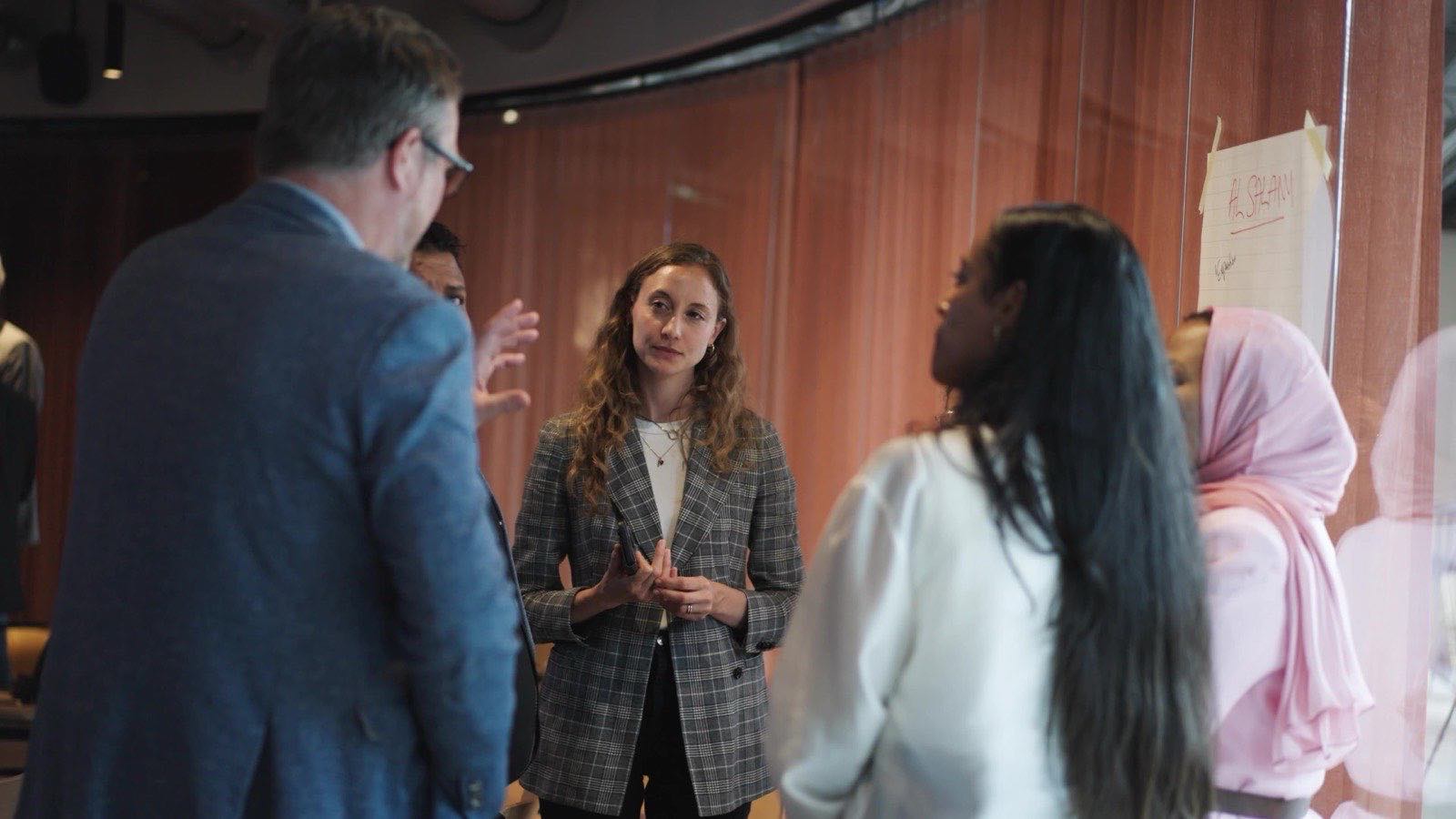
CFYE · Documentary · 2022–2026
CFYE
You can’t script dignity.
The film
Beyond the Fund, documentary teaser. A second film covers the Sudan portfolio event.
The problem
The Challenge Fund for Youth Employment does something genuinely difficult to film. Funded by the Netherlands and managed by Palladium with its partners, CFYE co-invests in the organisations closest to a problem most people only encounter as a statistic: each year, up to twelve million young Africans enter the job market, and fewer than three million formal jobs are waiting for them.
CFYE’s answer is not charity. It is co-investment: backing organisations that create jobs, connect young people to work, or make existing work better, with a particular focus on young women. That distinction matters enormously, and it is precisely the distinction that development-sector film has spent decades flattening.
The house style for this kind of film argues against the client
There is a template for development film and everyone has seen it. Slow strings. A wide shot of hardship held slightly too long. A subject framed in the middle distance, described in voiceover rather than heard. Hands at work, cut close so the face is optional. And somewhere in the final third, the arrival of help (the fund, the programme, the donor) as the thing that changes the story.
It is competent and well-meaning. It also gets the relationship backwards, and audiences have learned to discount it on sight.
The problem is not that the style is unattractive. It is that it makes the subject into a recipient. A person with a job, a plan, a business and an opinion becomes a person something happened to. For a fund whose entire model rests on the opposite premise, that these organisations and these young people are the ones with the answers, and the money is the support act, reproducing that style would have quietly contradicted the thing the film existed to communicate.
Fifty-two conversations, not fifty-two testimonials
The second difficulty was scale. Fifty-two interviews across three weeks, shot in Kenya, Uganda and the MENA region, with subjects who are not media-trained, in working environments that do not pause for a film crew. Volume of that kind pushes hard toward a template, and a template is exactly what flattens this material.
Five decisions held it together.
Start where nobody expects a youth employment story to start. The opening sequence is set in waste management: unglamorous, informal, physically demanding, and the sector where CFYE’s work is most legible. Leading there refuses the viewer a comfortable entry point and makes the argument about decent work before anyone has to state it.
A testimonial has a required destination: the subject arrives at the point the brief needs them to make. A conversation does not. The schedule was built so interviews had room to go somewhere unplanned: slower, harder to plan around, and the only way to get material that sounds like a person rather than a programme. Every subject was interviewed about their work, not about the fund. Nobody was asked how the money made them feel.
Put the camera at eye level and leave it there. The wide, observational, slightly-above framing that dominates the sector reads as observation of a subject. This was shot at the height of a conversation, with subjects speaking to a person rather than past the lens. A small technical decision that entirely determines whether an audience feels introduced to someone or briefed about them.
Across fifty-two interviews the most compelling contributors were rarely the most fluent. Some of the strongest material comes from people who paused, corrected themselves, or took a long moment before answering. The instinct in an edit is to reach for the clean take.
Where narration exists it sets context and then gets out of the way: short declaratives, a lot of full stops, no persuasion. It does not tell the audience how to feel about anyone on screen. In a film about dignity, the voiceover has to model it.
The test we applied throughout
Could every person in this film watch it, in the room, alongside their colleagues, and recognise themselves in it.
That is a harder standard than a donor-approval process, and it is the one that produces work worth trusting. It is also the standard that decided most of the edit: which pauses stayed in, which lines of narration came out, and which of fifty-two contributors carried the film.
Built to outlast a campaign
A film like this is not commissioned to perform in a feed. It is commissioned to be shown in rooms: to funders deciding whether to continue, to partner organisations deciding whether to apply, to policymakers who have read the statistics and never met anyone inside them. Its job is to survive that context without embarrassing anyone in it, including the people on camera.
- The fund’s model, made visible. Co-investment is an abstraction. Fifty-two people describing work they are actually doing is not. The argument is structural: you meet the organisations and the young people first, and the fund is understood by what it enables rather than by what it claims.
- An archive, not a shoot. Fifty-two interviews support the primary film, sector-level cutdowns and short-form for advocacy, from a single production rather than a returning crew.
- Defensible in the countries it was made in. See the test above.
What the client said
“What sets them apart is their ability to make the production process feel both creative and genuinely enjoyable.”
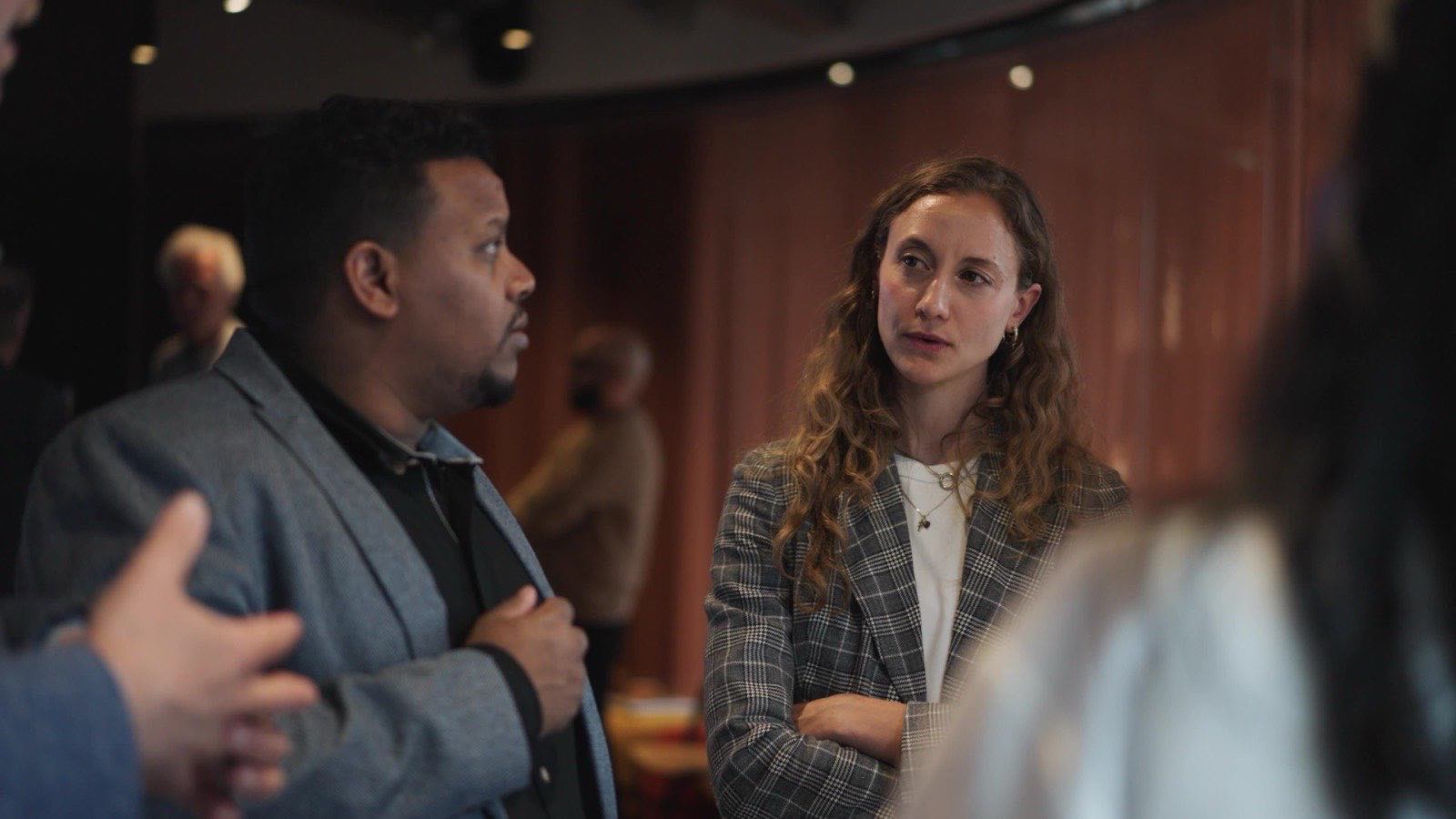
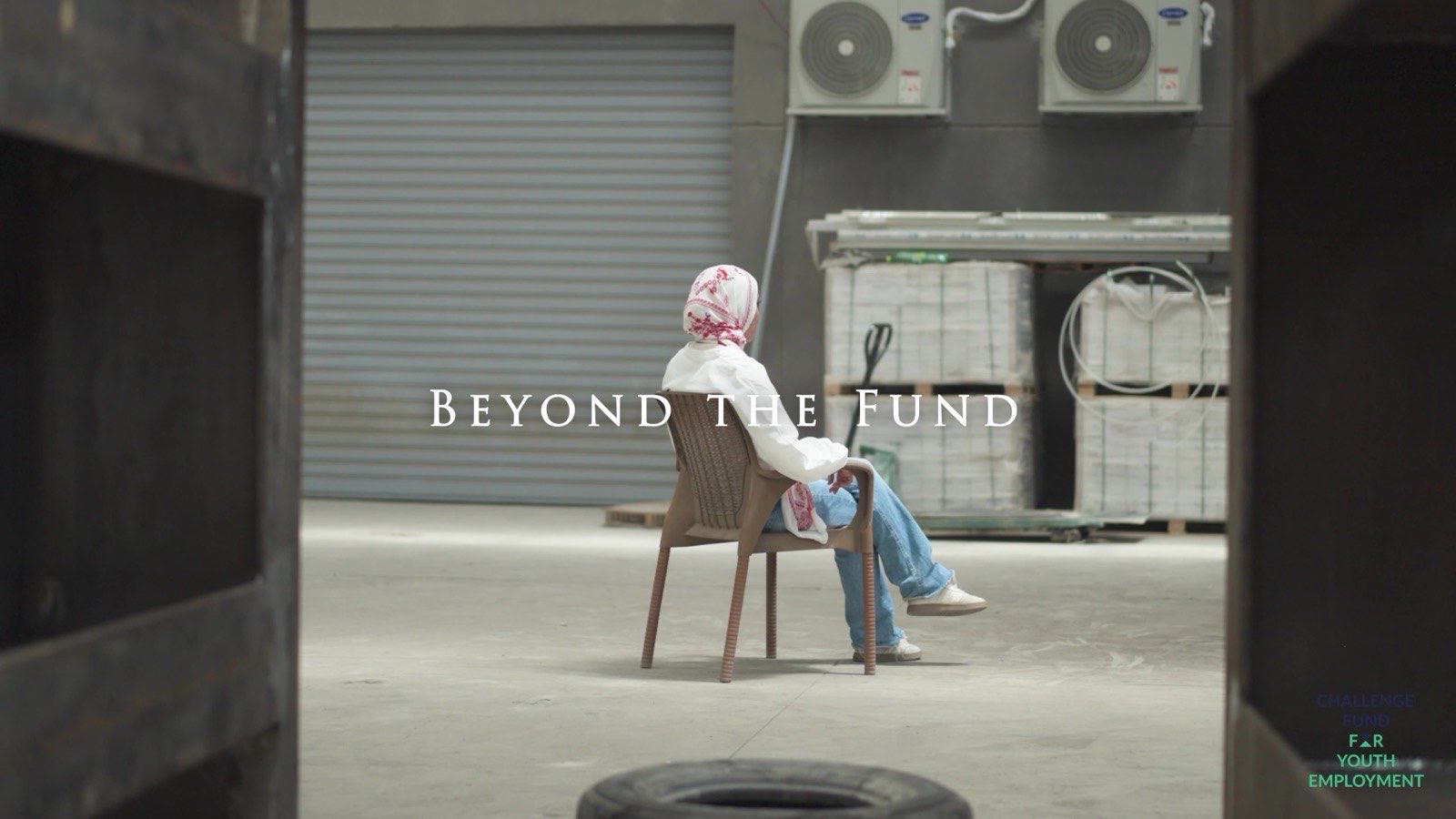
From the shoot
Frequently asked questions
Who produced the Beyond the Fund documentary?
DOT Video Agency produced Beyond the Fund for the Challenge Fund for Youth Employment, run by Palladium, along with the Sudan portfolio event aftermovie. The production covered 52 interviews across three weeks in Kenya, Uganda and the MENA region.
How do you get usable material from 52 interviews in three weeks?
By scheduling for conversations rather than testimonials. A testimonial can be captured in twenty minutes. A conversation needs room to go somewhere unplanned, which is slower and harder to plan around, and it is the only way to get material that sounds like a person rather than a quote.
What does a documentary production like this cost?
A project from DOT runs €2.500 to €50.000, with most landing between €8. Our price bands are published for every service.500 and €15.000. A multi-country documentary is scoped individually, because travel, interview volume and language variants move it more than shoot days do.
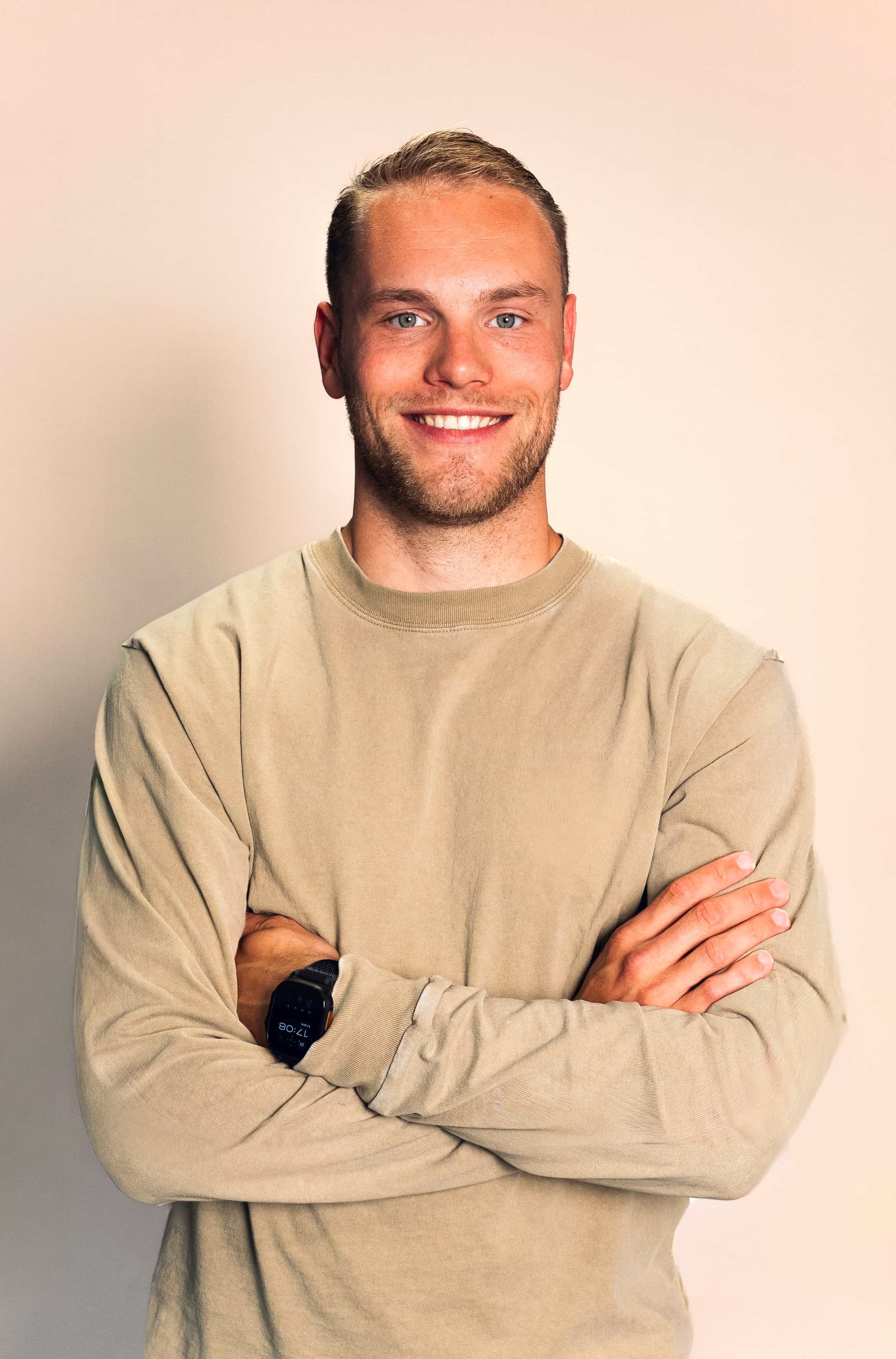
Tijmen van Grieken, co-owner, DOT
Last updated: